
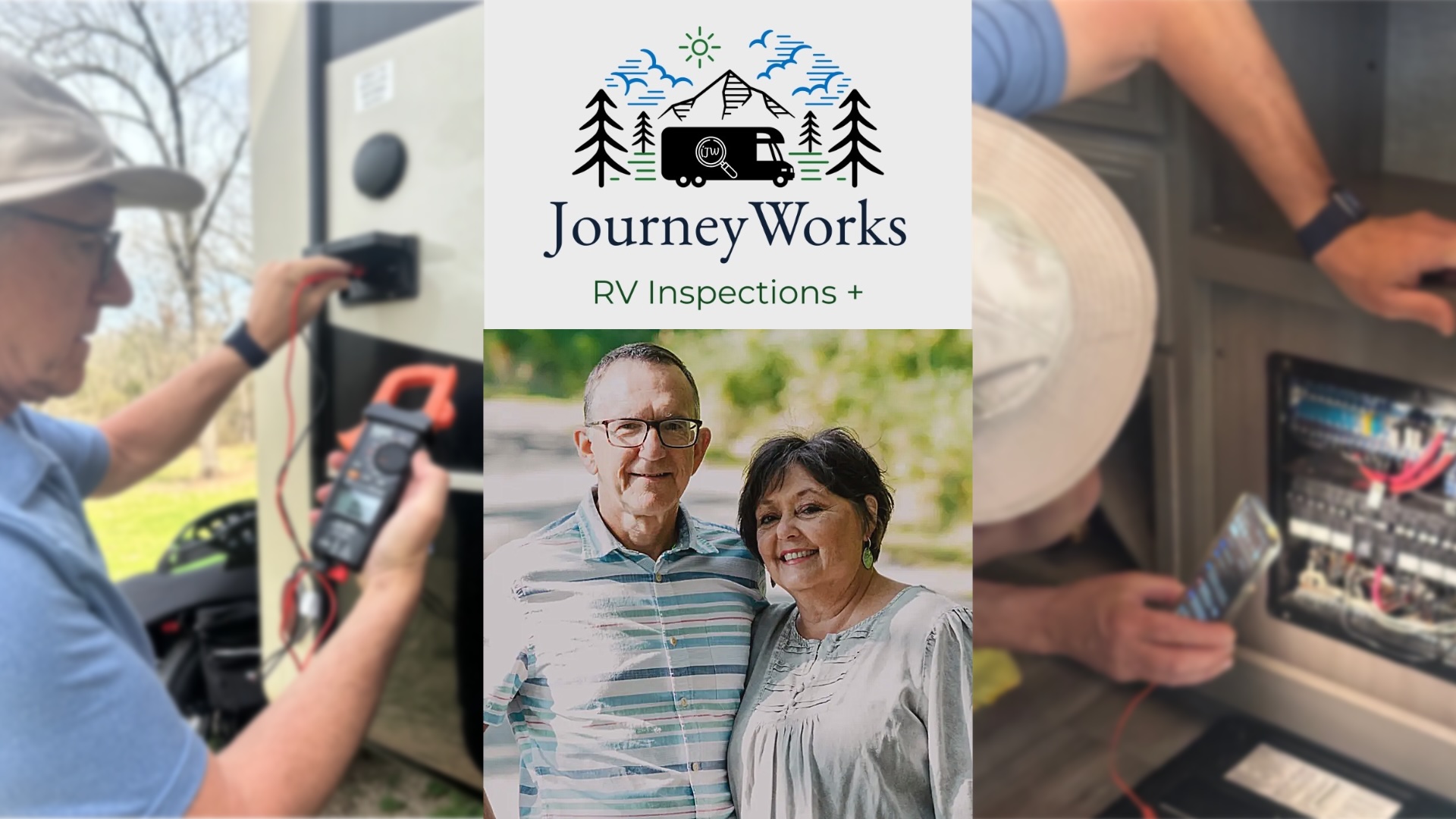
Purchasing an RV is one of the biggest investments many families make for travel and adventure. Whether someone is buying their first camper or upgrading to a larger motorhome, excitement often takes over the buying process. However, according to RV inspector Ernie Knapp of Journey Works RV Inspection and Services, even brand new RVs can have defects that buyers never notice until after delivery.
That is why professional RV inspections are becoming increasingly important for both new and used RV buyers.
Ernie and his wife Lori operate their RV inspection business throughout northern Colorado, Wyoming, Washington State, and parts of Southern California. Their work focuses primarily on comprehensive inspections that help buyers understand exactly what condition an RV is in before finalizing a purchase.
The Difference Between an NRVIA Inspection and a Dealership PDI
One of the biggest misconceptions among RV buyers is assuming a dealership pre delivery inspection is equivalent to a professional inspection.
Ernie explained that dealership technicians are often limited to only a couple of hours to complete an inspection. During that short timeframe, they must review systems, document defects, and prepare the RV for delivery. In many cases, there simply is not enough time to thoroughly inspect every component.
By comparison, Ernie said a professional NRVIA inspection can take anywhere from five to eight hours, depending on the RV and inspection level selected.
That additional time allows inspectors to carefully evaluate electrical systems, plumbing, roof conditions, slide outs, appliances, seals, safety equipment, and other major systems. Buyers also receive a detailed report with photos and documentation that helps them make informed decisions.
Common Problems Found in New RVs
Many buyers assume a new RV should be free from defects, but Ernie said that has not been his experience.
According to him, every RV he has inspected has had at least one issue. Some of the most common defects in new RVs include:
- Roof sealant gaps or voids
- Plumbing leaks
- Problems with dashboard components in motorhomes
- Fit and finish issues
- Slide out seal problems
Roof sealant concerns are especially important because even small gaps can eventually allow water intrusion that leads to expensive repairs.
Ernie also mentioned that slide out sweep seals are frequently found folded backward instead of properly deployed. This can create opportunities for moisture intrusion while traveling or camping.
Used RVs Often Have Additional Concerns
Used RVs present another layer of inspection challenges. Ernie explained that roof maintenance issues are extremely common in pre owned units.
Inspectors frequently discover cracked sealants, rust underneath the RV, plumbing concerns, or slide out alignment problems. While some wear is expected over time, buyers often do not recognize these problems during a casual walkthrough.
A professional used RV inspection helps identify these concerns before ownership changes hands.
Why RV Buyers Should Think Like Home Buyers
One comparison Ernie made stood out clearly. He compared purchasing an RV to buying a home.
Most home buyers would never skip a home inspection before closing on a property. Yet many RV buyers spend significant amounts of money without having an independent inspection performed.
An RV contains electrical systems, plumbing systems, appliances, structural components, propane systems, and water intrusion risks. In many ways, an RV can actually be more complicated than a traditional house because it is constantly exposed to movement and road vibration.
That is why many experienced RV owners recommend professional RV buyer education before making a purchase decision.
Warranty Repairs Can Take Months
Another important point Ernie discussed was dealership repair backlog.
Many new RV buyers assume warranty coverage will quickly solve any problems discovered after delivery. Unfortunately, dealership service departments are often heavily backed up.
Ernie shared personal experiences where warranty repairs kept RVs in service departments for months at a time. That delay can disrupt travel plans and create frustration for owners who expected immediate support.
Finding defects before taking delivery gives buyers a better opportunity to negotiate repairs before the RV leaves the lot.
Helping RV Owners Travel With Confidence
For Ernie, the most rewarding part of being an inspector is helping buyers avoid future frustration and enjoy their RV adventures with greater confidence.
By documenting issues clearly and educating clients about what they are purchasing, inspectors help RV owners make informed decisions and reduce the risk of unexpected problems during travel.
Professional inspections cannot guarantee a perfect RV, but they can provide buyers with a much clearer understanding of the condition of the unit before committing to the purchase.