
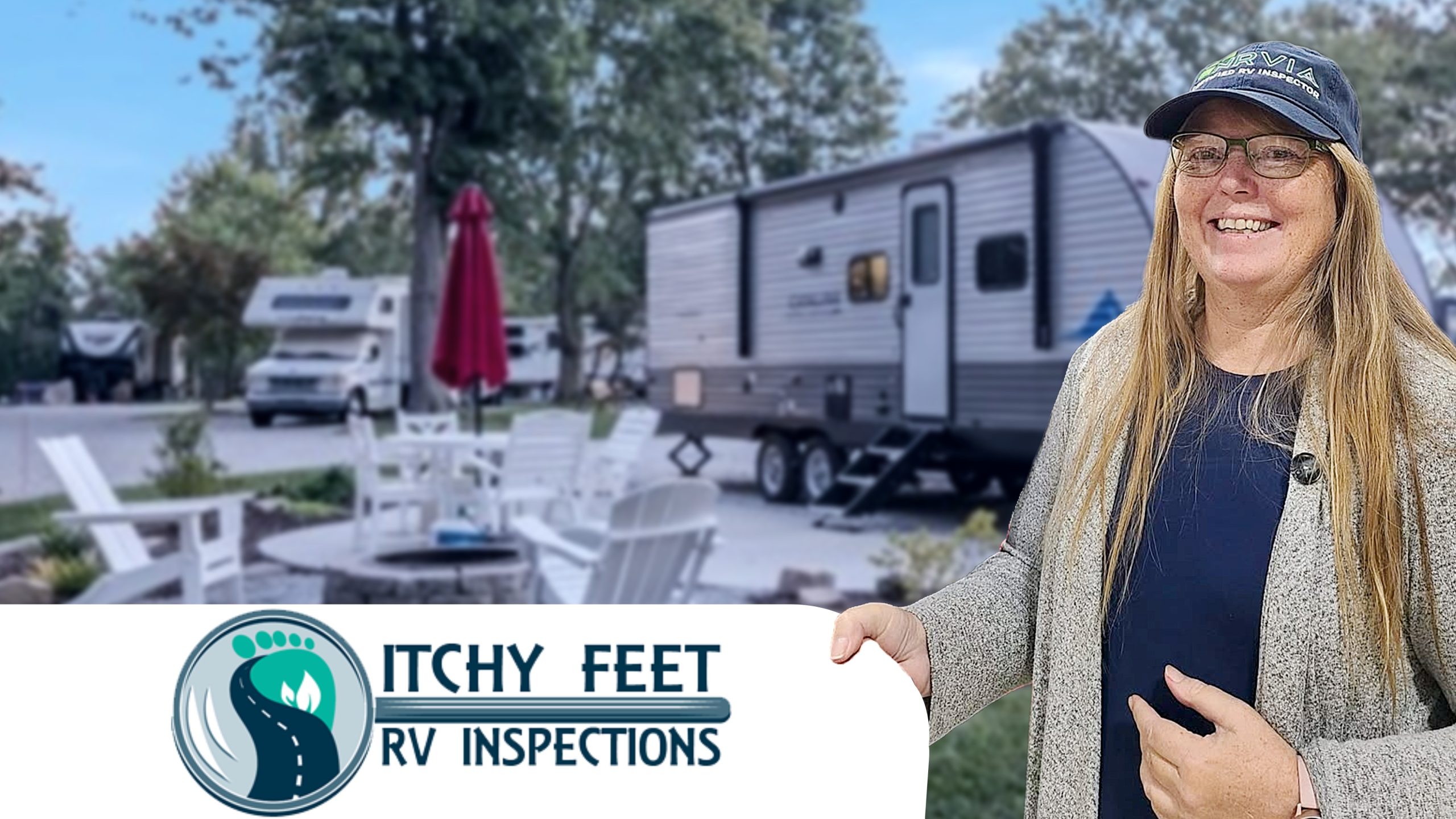
Why Every RV Purchase Needs a Professional NRVIA-certified RV inspection
Buying an RV represents one of the largest purchases most people ever make. Whether the RV is brand new or previously owned, problems can exist that are not obvious during a walkthrough. Many buyers feel excited and trust what they hear from sellers. That excitement often leads people to overlook important details.
A professional RV inspection gives buyers confidence. An independent inspector works only for the buyer. Their job is to verify that the RV matches what the seller claims and that every major system functions correctly. Even new RVs can have serious issues, including propane leaks, electrical problems, or water intrusion.
Every RV experiences vibration, movement, and wear each time it travels. Over time, components loosen, seals fail, and systems fall out of adjustment. An inspection helps buyers understand the true condition of the RV before money changes hands.
What Makes an NRVIA Certified RV Inspection Different
An NRVIA-certified RV inspection follows a consistent national standard. Every certified inspector trains under the same organization and uses proven inspection templates. This consistency ensures buyers receive the same level of quality no matter where the inspection occurs.
Dealership inspections often focus on basic functionality and usually last only a couple of hours. Independent inspectors spend six to eight hours examining the RV from top to bottom. They test appliances, measure temperatures, inspect seals, evaluate safety systems, and document findings in detail.
Inspectors do not guess. They test. They run appliances instead of assuming they work. They verify temperatures instead of trusting factory settings. This approach gives buyers real data rather than assumptions.
Interior and Exterior Inspections Work Together
A thorough inspection covers both the interior and exterior of the RV. Inside, inspectors test appliances, heating systems, air conditioning, plumbing, and electrical components. They look for signs of water damage, poor installation, or malfunctioning equipment.
Outside, inspectors examine the roof, seams, sealant, and penetrations. Roof sealant needs regular maintenance and often fails when owners miss inspections. Inspectors check every seam and look for soft spots that may indicate hidden water damage.
When inspectors find a concern outside, they verify it inside. This teamwork helps identify problems early before they turn into expensive repairs.
Why Experience Matters in RV Inspections
Certified inspectors inspect RVs every day. That experience helps them recognize patterns and common failures. They know where problems usually appear and what signs signal bigger issues.
Inspectors document findings clearly so buyers understand what matters most. Some issues require immediate attention. Others allow time for repair or adjustment. Knowledge gives buyers the power to negotiate or walk away if necessary.
An inspection never ends with zero findings. RVs move like small homes through constant motion. Inspectors help buyers understand that reality and prepare accordingly.
How an Inspection Protects Your Investment
After the inspection, buyers receive a detailed report with photos, video, and documentation. Many inspectors also use drone footage and 360 degree images to show areas buyers cannot easily access.
Inspectors review major findings with clients and remain available for follow up questions. Buyers decide whether to share the report with the seller or keep it private. Either choice puts control back in the buyer’s hands.
An inspection transforms uncertainty into confidence. Buyers move forward knowing exactly what they are purchasing and why.