
Buying an RV is exciting. Whether you are planning weekend camping trips, full time travel, or a life filled with new adventures, purchasing an RV is a significant financial decision. It is also one that can quickly become emotional. The excitement of finding the perfect floor plan or imagining future trips often makes it difficult to look at the purchase objectively.
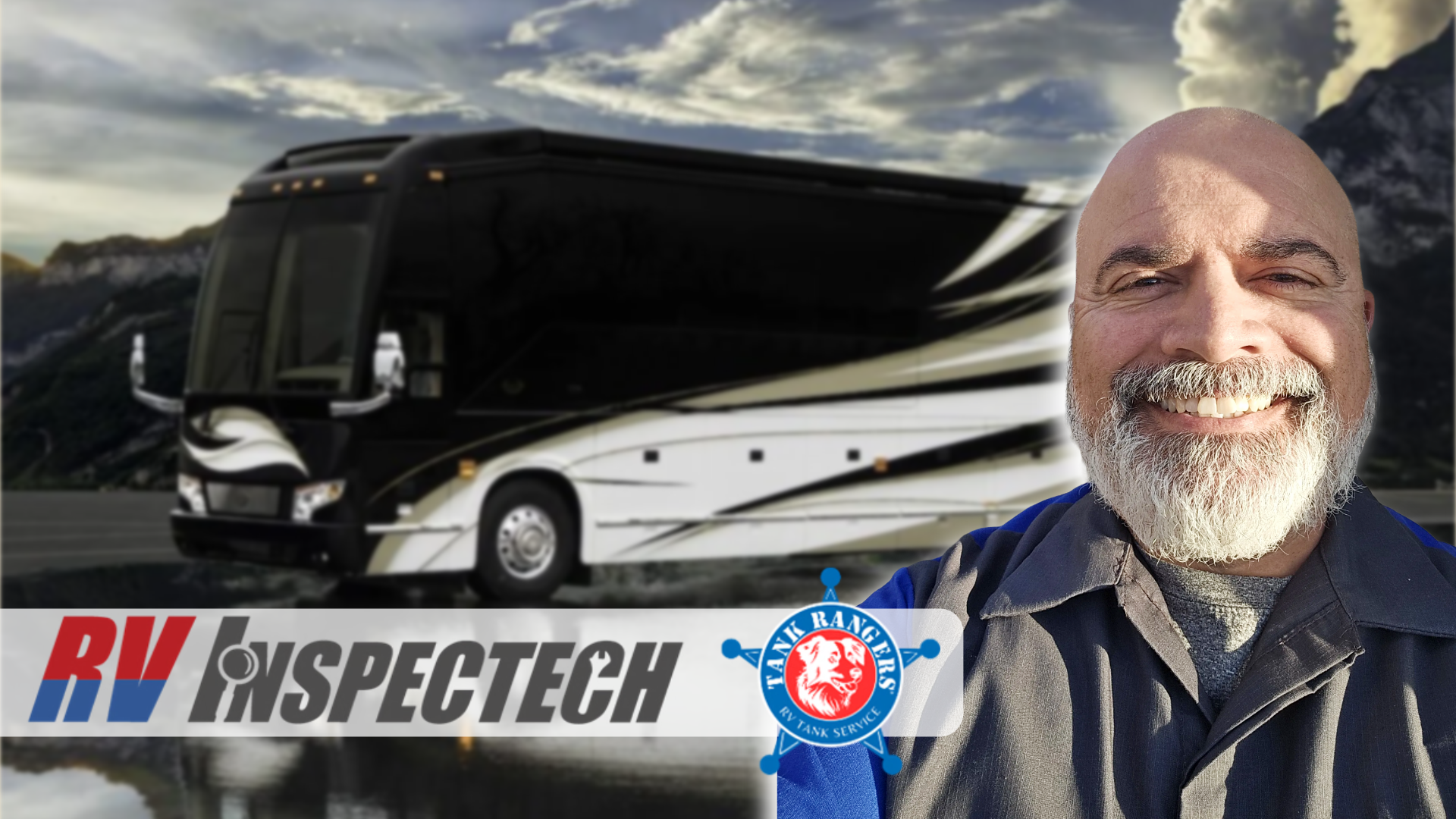
Patrick Molina, owner of RV Inspectech and Tank Rangers in central New Mexico, encourages buyers to slow down, do their research, and rely on facts instead of emotions when making one of the biggest purchases of their lives.
Do Not Let Emotion Make the Decision
One of the strongest messages Patrick shares is simple. Buying an RV based on emotion alone can become an expensive mistake.
Every RV has a story. Some have been meticulously maintained while others may have hidden issues that are not immediately visible during a walkthrough. Buyers often focus on the décor, the layout, or how they imagine using the RV, but those impressions do not reveal what is happening behind the walls, on the roof, underneath the chassis, or inside the major systems.
That is why Patrick recommends researching the year and model you are considering, reading about common issues, and hiring a professional inspector before making a final decision. An inspection provides objective information that helps buyers understand exactly what they are purchasing.
An Inspection Helps You Buy With Confidence
Many people assume an inspection is designed to tell them whether they should buy an RV. Patrick explains that this is not the role of a certified RV inspector.
Instead, inspectors test, observe, and report. They provide the information buyers need to evaluate the condition of the RV and determine whether any repairs fit within their budget and expectations.
The decision remains with the buyer.
That impartial approach is one of the greatest benefits of hiring a certified inspector. Because inspectors are not emotionally invested in whether the sale happens, they can focus entirely on documenting the condition of the RV.
What Does a Certified RV Inspector Look For?
Patrick explains that many first time buyers are surprised by how comprehensive an inspection really is.
While cosmetic features certainly matter, a professional inspection focuses heavily on areas that affect the safety, reliability, and long term value of the RV.
Some of the most important items include:
- Water intrusion and signs of previous water damage
- Roof condition and sealant integrity
- Safety systems including smoke and carbon monoxide detectors
- LP system leak testing
- Tire condition and age
- Electrical system evaluation
- Propane system inspection
- Structural components beneath the RV
- Solar system functionality when equipped
These are the types of issues that can lead to expensive repairs if they are overlooked before purchase.
Why a Certified NRVIA Inspector Matters
Patrick also explains the difference between a dealership’s pre-delivery inspection and an inspection performed by a certified RV inspector.
According to the transcript, dealership inspections are often completed quickly using a basic checklist. A certified inspector, on the other hand, follows an extensive inspection process that covers more than 900 inspection points and can take six to eight hours on larger RVs. The result is a detailed report with photographs and thorough documentation that helps buyers fully understand the condition of the RV.
For buyers, that additional time and expertise can make a tremendous difference when evaluating such a significant investment.
The Value Continues After the Inspection
Patrick believes an inspection is more than just delivering a report.
He explains that he spends time helping clients understand the inspection results by explaining inspection ratings and encouraging follow up conversations after the report has been delivered. Buyers are welcome to call or email with questions so they fully understand what was found during the inspection.
That added support helps buyers make informed decisions with greater confidence while building trust throughout the buying process.
The Benefits of Hiring a Mobile RV Technician
After purchasing an RV, routine maintenance and repairs become part of ownership. Hiring a mobile RV technician who also holds an NRVIA certification can provide additional peace of mind.
An NRVIA certified professional has completed formal inspection training and understands how RV systems work together. That knowledge allows them to identify concerns that may affect safety, reliability, or future maintenance needs while working directly at your location.
For RV owners, this means greater convenience, professional evaluations, and confidence that someone familiar with comprehensive RV inspection standards is helping maintain their investment.
Make Your Next RV Purchase With Confidence
Buying an RV should be exciting, but it should also be informed.
Research the RV you are considering. Ask questions. Interview your inspector. Review the inspection report carefully and use the information to make the decision that is right for you.
As Patrick explains throughout his interview, the goal is not to convince you to buy or walk away. The goal is to provide the facts you need to make a confident decision based on knowledge rather than emotion.
When you invest in a professional inspection before you buy, you are investing in something far more valuable than a report. You are investing in confidence, peace of mind, and a better start to your RV adventures.