
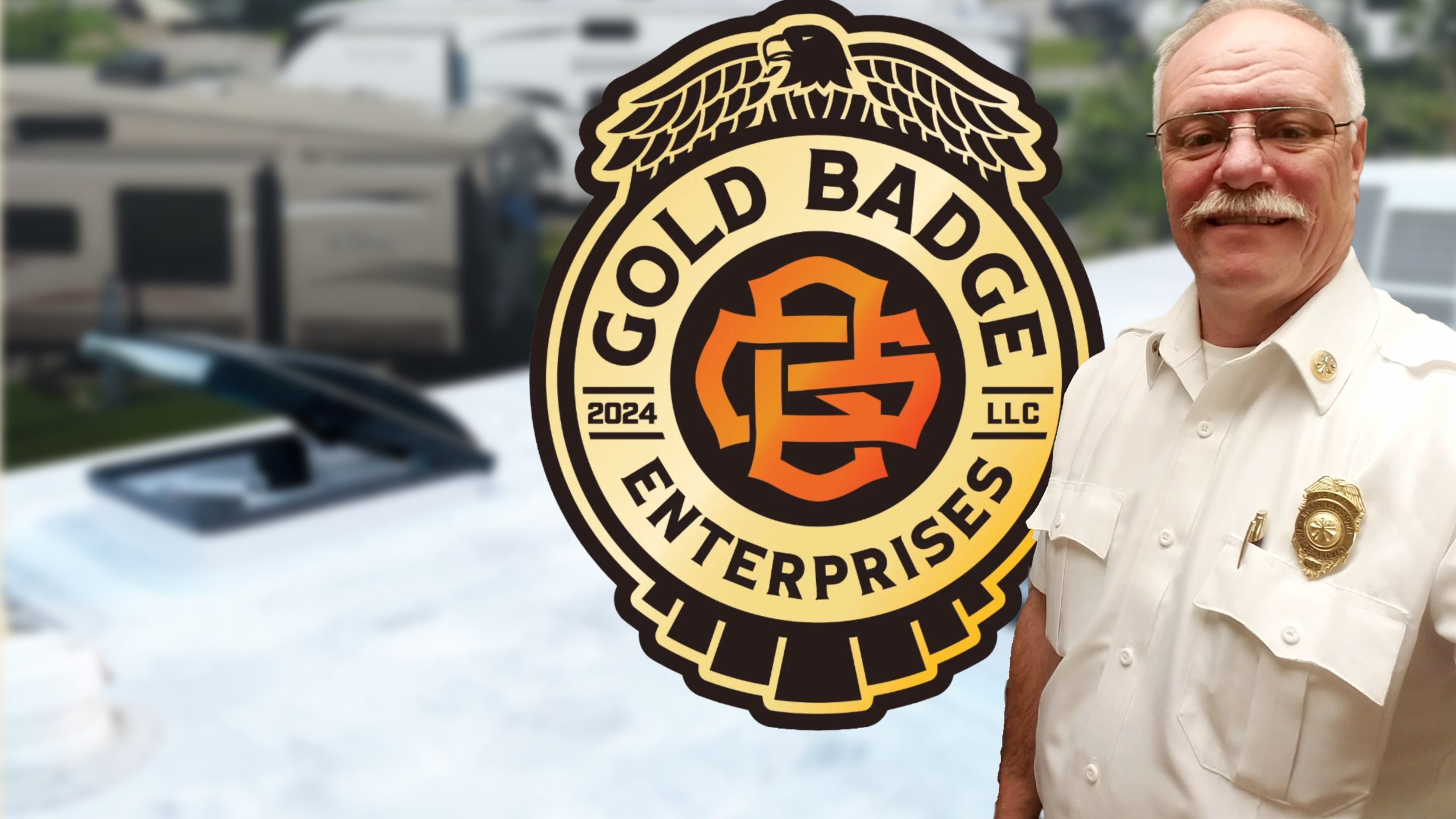
John Batsinger is the owner and lead inspector of Gold Badge Enterprises, an NRVIA-certified RV inspector based in Rhode Island. He serves all of Rhode Island, southeastern Massachusetts, western Connecticut, and assists buyers nationwide who need professional eyes on an RV before purchase. As an experienced RVer himself, John understands how critical it is to know the true condition of an RV before committing to a major investment.
What Is an NRVIA RV Inspection?
An NRVIA RV inspection is a detailed, independent evaluation of an RV performed by a certified professional who works solely for the buyer. Unlike dealership inspections, NRVIA inspectors do not represent sellers or manufacturers. Their purpose is to uncover safety concerns, system failures, workmanship issues, and hidden defects that could lead to costly repairs or unsafe travel conditions.
NRVIA Inspection vs Dealer PDI
Why a PDI Is Not Enough
A dealership Pre Delivery Inspection typically lasts 20 to 30 minutes and is performed by dealership staff. Its purpose is to confirm nothing broke during transport from the manufacturer. It is not designed to identify deeper issues or protect the buyer.
How an NRVIA Inspection Is Different
A certified NRVIA inspection often takes six to ten hours. During that time, the inspector thoroughly evaluates components, systems, and overall build quality. This independent process helps identify issues that may have been missed at the factory or overlooked by the dealer.
What Does a Full RV Inspection Include?
NRVIA inspections are commonly described as soup to nuts inspections. This means the RV is evaluated from roof to tires and from front bumper to rear bumper. Inspections include exterior components, roof condition, frame, slide-outs, and tires, along with all major interior systems.
Systems Checked During an NRVIA Inspection
Electrical Systems
Inspectors evaluate all three electrical systems, including 12 volt and 120 volt components. Loose wiring, disconnected connections, and improperly installed electrical components are common findings.
Propane and Plumbing Systems
Propane systems are checked for proper operation and safety. Water systems are evaluated to ensure they function correctly and do not show signs of leaks or damage.
Appliances and Safety Equipment
All appliances are tested, and safety equipment is inspected to ensure it is present and functioning as intended.
Common RV Issues Found During Inspections
Roof Sealant and Water Intrusion
One of the most common issues found during inspections is improper or failing roof sealant. These problems can allow water intrusion and lead to serious damage. This issue is found on both new and pre owned RVs.
Electrical Wiring Problems
Loose or disconnected wiring is frequently discovered, especially in pre owned units. These issues may originate at the factory or develop over time.
Rodent Damage in Pre Owned RVs
Rodent evidence such as droppings or nesting materials is often found in areas hidden from view, even when sellers report no known problems.
Why John Became an NRVIA Certified Inspector
John decided to become an RV inspector while searching nationwide for his own Class A motorhome. He wanted to avoid traveling long distances only to discover a unit was not in good condition. During that process, he learned about the RV inspection industry and recognized an unmet need in the Rhode Island area. As his career in the fire department was winding down, he chose to start a new business helping RV buyers protect themselves.
Helping RV Buyers Nationwide
Many of John’s clients live far from the RV they are purchasing. Buyers from across the country rely on him to act as their eyes on the ground. His inspections provide detailed documentation and clear explanations, allowing buyers to make informed decisions without unnecessary travel.
How an RV Inspection Can Save You Money
Inspection findings can be used as a powerful negotiating tool. Buyers often use the report to request repairs, price reductions, or to walk away from problematic RVs. John has helped clients save thousands of dollars by identifying serious issues before a purchase is finalized.
Why First Time RV Buyers Need an Inspection
First time RV buyers often lack experience with RV systems and operation. An inspection helps identify problems and also educates buyers on how systems work. This includes understanding electrical systems, propane operation, and water systems.
Understanding RV Electrical Systems
John frequently helps buyers understand the difference between 12 volt and 120 volt systems, as well as the role of converters and inverters. This knowledge gives buyers confidence during dealership walkthroughs and ownership.
More Than an Inspector: An RV Consultant
John views his role as more than just an inspector. He acts as a consultant for his clients, answering questions during the inspection, after the report is delivered, and even months later. Many clients reach out long after their purchase for guidance, and John is always willing to help.
How the RV Inspection Process Works
The process begins with gathering RV details, completing agreements, and arranging payment. John then performs the inspection. If any major red flags are discovered, the client is notified immediately. A detailed digital report is typically uploaded by noon the following day.
Support After the Inspection
Clients are encouraged to ask questions about the report and request clarification on terminology or findings. Additional photos and explanations are provided when needed. John believes that once someone becomes a client, they are always a client.
Areas Served by Gold Badge Enterprises
Gold Badge Enterprises is based in Rhode Island and serves Rhode Island, southeastern New England, parts of Connecticut, and Massachusetts. John also assists out of state buyers who need a trusted, NRVIA certified RV inspector in the region.
Why Choose an NRVIA Certified RV Inspector
Choosing an NRVIA certified RV inspector means working with a trained, insured professional who prioritizes the buyer’s interests. Independent inspections provide peace of mind, reduce risk, and help buyers avoid costly mistakes.